Travelling to
Jaipur
Rajasthan
Loading…Photos: Anishshah19 (Public domain) · Alekh15 (CC BY-SA 4.0) · HRUDANAND CHAUHAN (CC BY-SA 4.0)
Status: Seasonal: core zones closed July–September.
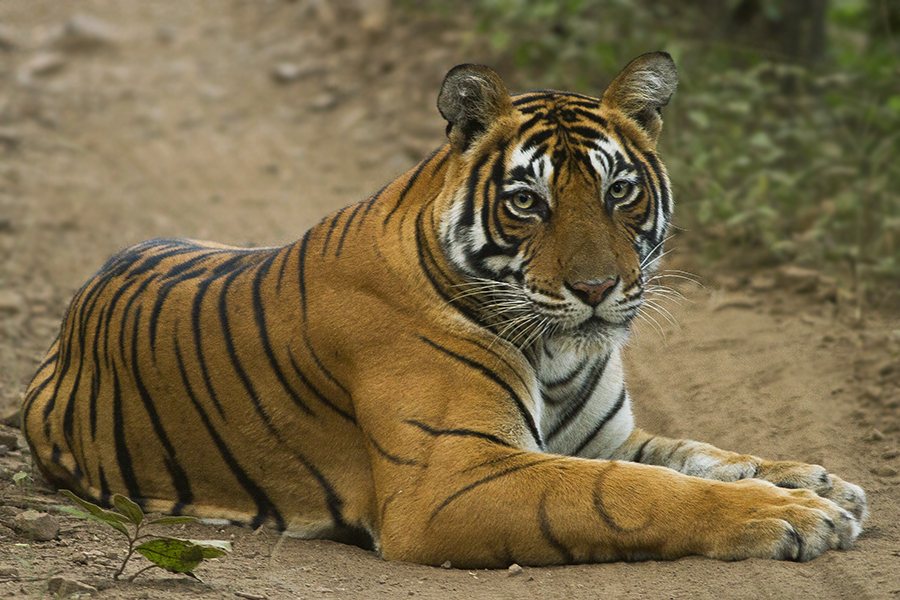
Tiger reserve in eastern Rajasthan where tigers roam among the ruins of a 10th-century fort; 10 safari zones.
Ranthambore Tiger Reserve near Sawai Madhopur is one of India's best places to see wild tigers, set in dry deciduous forest with lakes and the ruins of Ranthambore Fort. Safaris run in gypsies (6-seat jeeps) and canters (shared open buses) across 10 zones: 1–5 core and 6–10 buffer. Permits are booked through the Rajasthan Forest Department's official portal. Core zones close for the monsoon (July–September), and the park reopens from 1 October.


Within 1 km of Ranthambore National Park.
Open grassland sanctuary in Churu district known for large blackbuck herds and wintering raptors.
UNESCO-listed wetland bird sanctuary at Bharatpur, a winter haven for migratory waterbirds.
Aravalli tiger reserve near Alwar, notable for tiger reintroduction, with safaris and the Pandupol Hanuman temple inside.
Vast Thar desert reserve near Jaisalmer, a last stronghold of the critically endangered Great Indian Bustard.
14th-century man-made reservoir in Jaisalmer ringed by ghats, temples and chhatris, with the Tilon ki Pol gateway.
Udaipur's iconic lake framing the City Palace, Lake Palace and Jag Mandir, best seen on a sunset boat ride.
Aravalli forest sanctuary around Kumbhalgarh Fort, home to leopards, wolves and four-horned antelope.
India's largest fort by area, a UNESCO hill fort on a 180 m mesa, central to Mewar's history of sieges and sacrifice.